2 Choices for Training

Training Option #1
Owner and Trainer
60 minutes per session at $75 per session.
3 Session Minimum to be paid at time of first session
How it works:
Each Session I work with you and your dog/puppy demonstrating how teach the commands we are working on. Most owners and dogs take 3 to 10 sessions to learn various command. This is provided that you are training your dog in between sessions. I come to your house or meet you at a designated place for training. E-collar training for reliable recall takes more training time and is dog and owner dependent.
Free 5-minute free phone consultation is available. A meet-and-greet is required for highly aggressive dogs for me to evaluate. I use Venmo or Cash for payments.

Training Option #2
Trainer ONLY PRIMARILY
60 minutes per session at $75 per session.
3 Session Minimum to be paid at time of first session
How it works:
During this session, I train your dog 1-1 at your house, your yard or designated place.
Your puppy or dog receives approximate 60 minutes of training.
The more training or sessions the quicker you will see results. It’s all about repetition and consistency. So leash walking could take 3 sessions or 10 sessions depending on the dog. We can schedule 3 times per week or 1 time per week depending on your schedule and how quickly you want to see results.
The last session or two, I show you what we have learned and how to replicate the training.
Free 5-minute free phone consultation is available. A meet-and-greet is required for highly aggressive dogs for me to evaluate. I use Venmo or Cash for payments.

Testimonials
Next Step Dog Training Philosophy
Leadership, Structure, Obedience, Exercise, Fullfilment
Dogs THRIVE on a trusting relationship with the owner(s), built over time through leadership, structure, obedience and exercise.Dogs learn how to behave in different situations through training and repetition. Repetition of proper behaviors leads to patterns that leads to good habits. The end result is that you dog becomes predictable in the situations they have been trained in. By providing these elements, dogs become happy, well-behaved, and less stressed. Training your dog is an investment into a long and rewarding relationship. It is a win, win for you, your dog, and your family.
I always incorporate Positive Training (treats, toys, praise) in my puppy/dog training. Reward based training is a must for teaching new behaviors. However, dogs respond better to both rewards and corrections. This is called a BALANCED APPROACHin dog training. A balanced approach means we rely on positive training and a fair and appropriate level of correction or pressure, based on the specific dog and behavior. For example, training a 140 pound Akita could look different from training a soft Golden Retriever. The training approach is the same but the Akita will require more patience, more leadership, more reps, and fair corrections based on his temperament and genetics.
A correction can be a simple tug on a leash or inflection of your voice. We correct the unwanted behavior and then show them what we want them to do instead. Some behavioral problems require corrections. Remember, not all dogs are the same, some are easily trained while others take more training.Training varies greatly from dog to dog and owner to owner.
Foundations of Dog Training
After the luring, engagement phase and building trust phase, teaching the basics to older puppies and adult dogs begins.
Leash Training is one of the key steps to dog training. Being able to walk your adolescent/adult dog on a loose leash without pulling with distractions sets the stage for good obedience within your household. So for many of my clients I start here unless they have mastered this part of training or have a puppy.
Reliable Recall off leash or simply just coming in from the back yard when called or coming to you at the end of a 6ft, 15ft, 50ft leash/longline should be a goal for most dog owners.
Place Command is another step in basic obedience. This command trains the dog to go to his place and stay there until released. Commonly used if you have guest, or have people coming to your door, or just don’t want your dog in the kitchen in the way while cooking. This command has many applications.
Leave it Command is a must to teach your dog NOT to place an unsafe or unwanted item in his mouth.
Down and Sit commands are also keys in obedience training.
By teaching these commands, your dog begins to understand structure, the rules/boundaries that YOU make so he can live a happy stress free life within your household.
Puppy Training
On day one of getting your puppy, training starts. It is critical that you began to shape their behavior during the 8-16 week period so they mature to become a confident dog that knows the rules and what is expected of him. Crate training, house training, establishing a routine are all building blocks. Building a trusting relationship and making training fun for you puppy is critical. If you put the work in early, the dividends pay off immensely for a life time. Your puppy will change as he cycles through the developmental stages of his life. I can help you with all of this.
Behavioral Problems
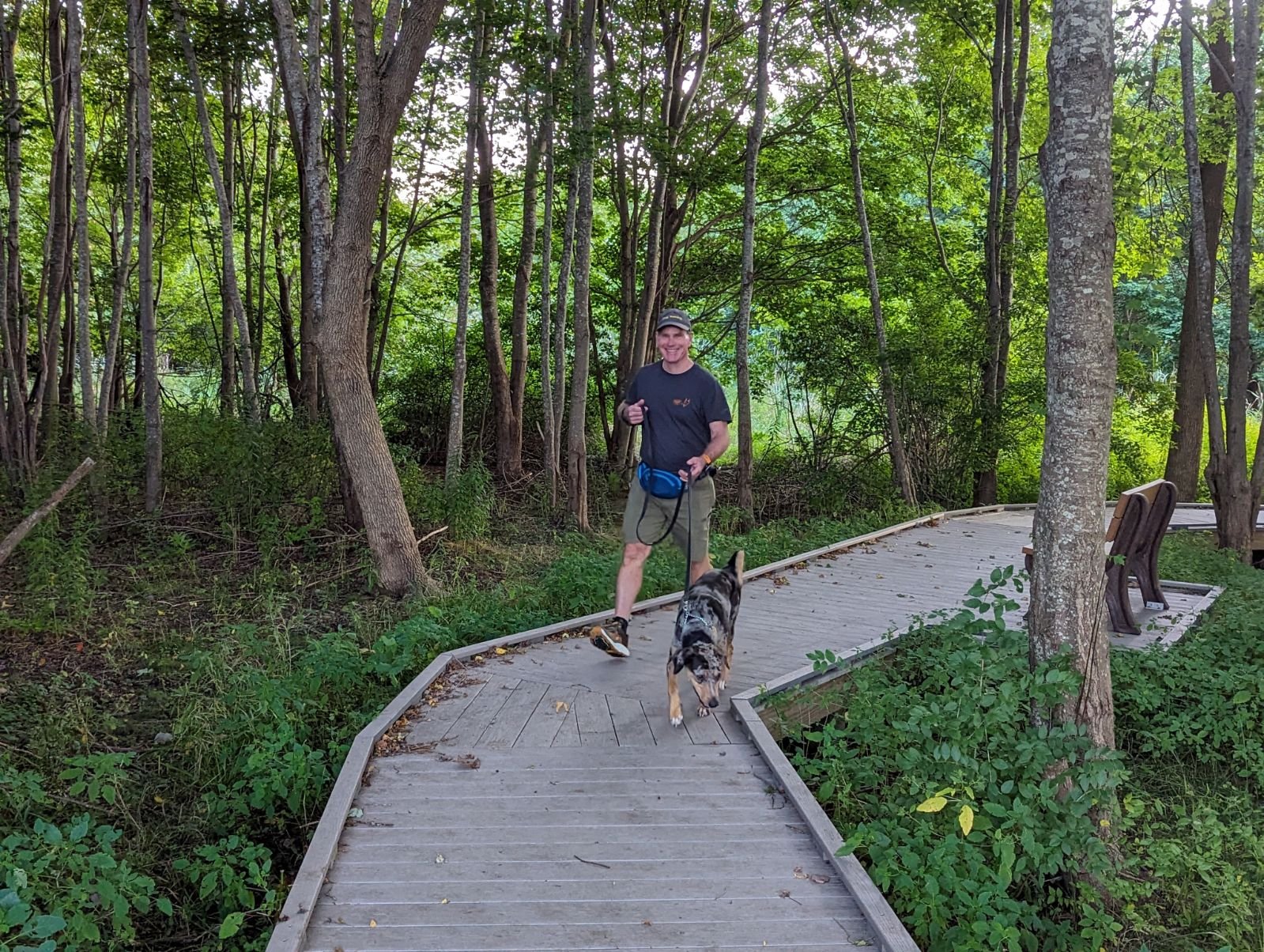
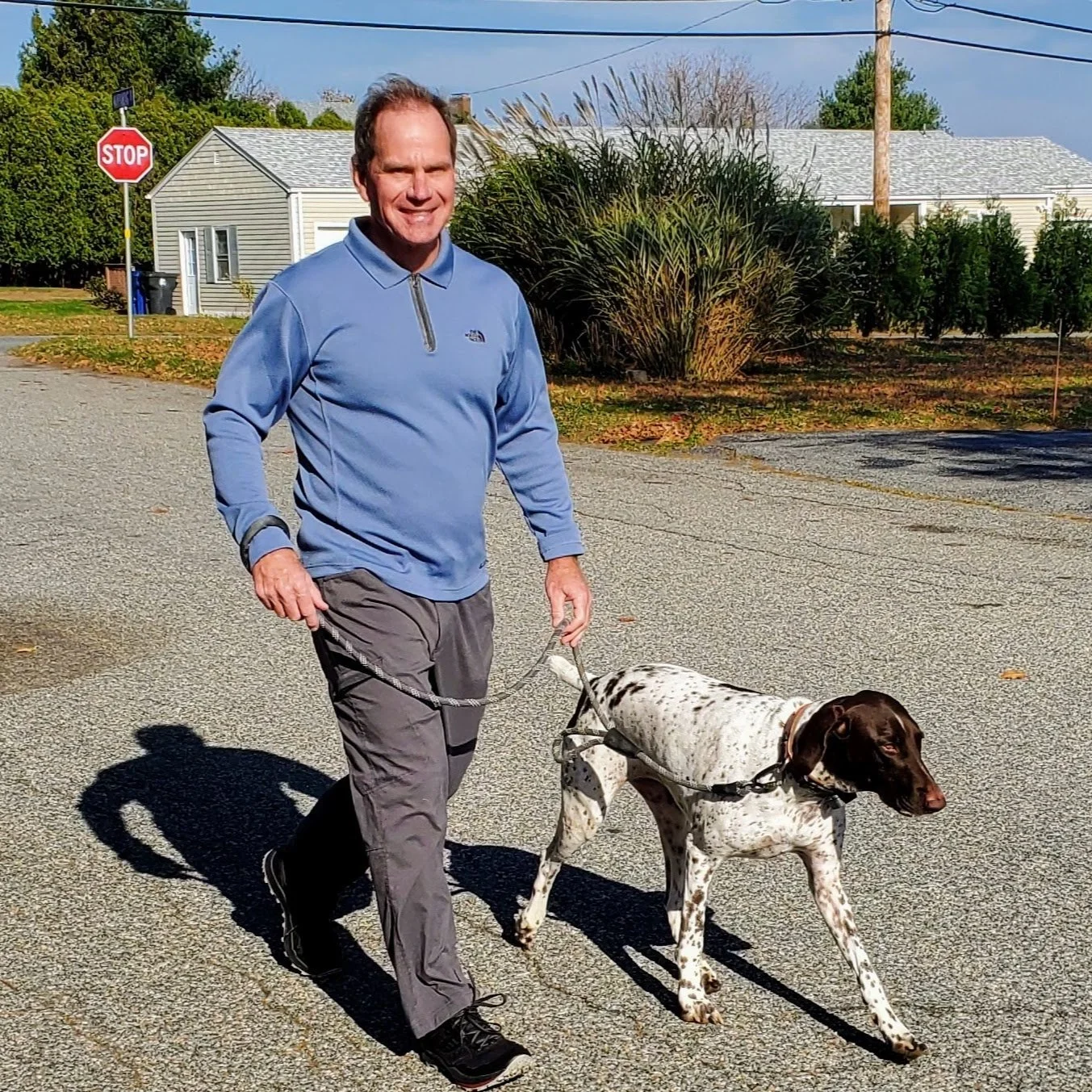
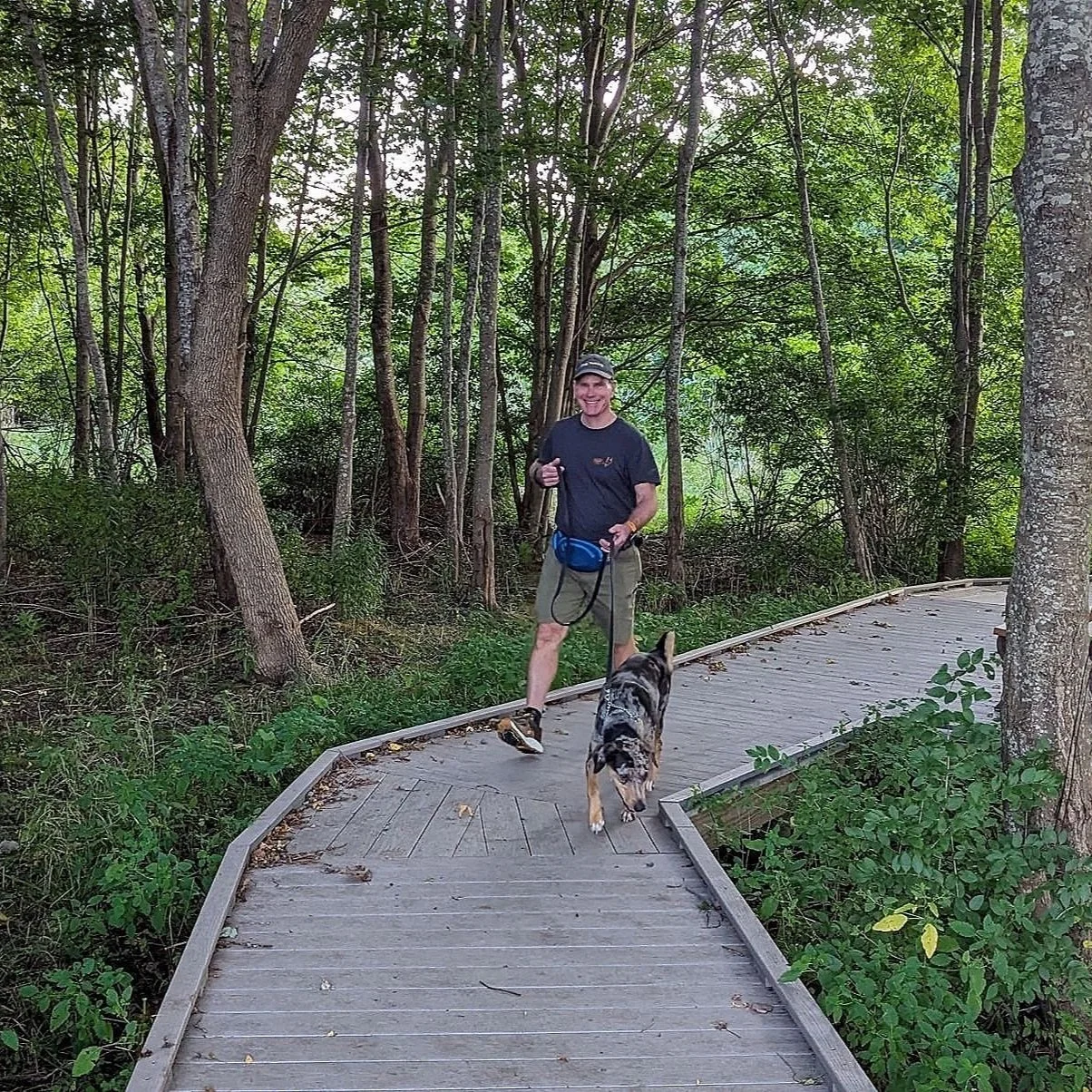
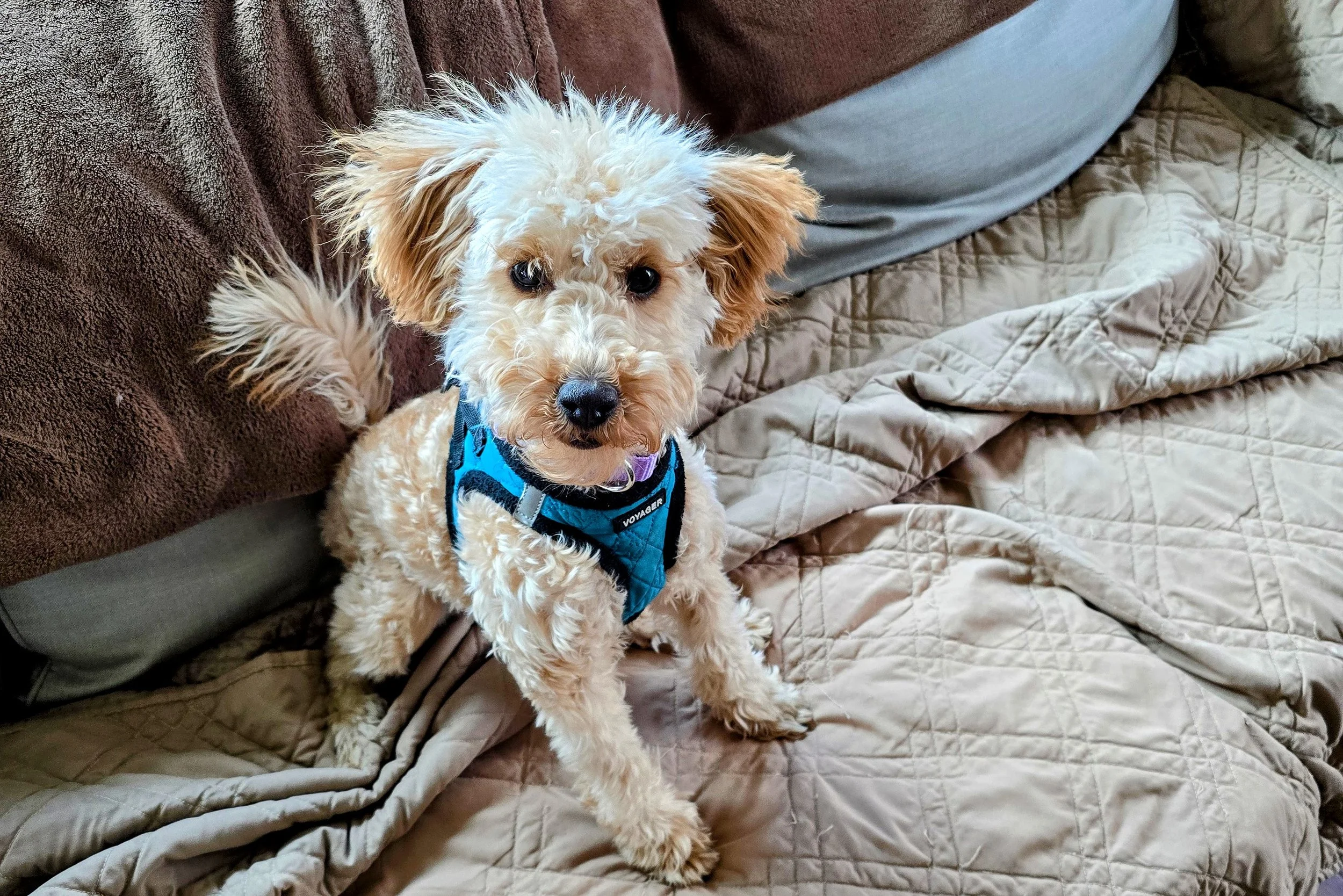
Regardless of where you are with the above training, I can help with most behavioral problems that arise at the various stages of you dogs life. This includes puppy teething, leash pulling, leash reactivity toward dogs\moving objects, aggression, biting, resource guarding, separation anxiety, jumping on others, excessive barking, fearfulness, protecting your kids, etc. Some of these problems depending the severity, can be solved with a few sessions while others will take much longer. There is no reason to tolerate bad behavior from your dog or make excuses for them for lack of training or knowledge. Contact me for help. See my photo galleries of some of the many types of dogs, I have helped train along with the owners.




For Dogs and Puppies
Basic Obedience
Luring
Engagement
Crate Training-Puppies, a Must
House Training-Puppies, rescues
Leash Walking-No Pulling
Leave it – Instructing the dog to ignore or not eat objects.
Place Command-Trains your dog to go to place until released.
Sit – Teaching the dog to sit on command.
Stay – Helping the dog learn to remain in place until released.
Down- lie down on command
Recall – Training the dog to come when called.
Off Leash Reliability
Impulse Control-learning to wait until released
Behavioral Issues
Leash pulling – Pulling during walks.
Separation Anxiety
Reactivity towards dogs, cars, bikes, people
Resource guarding – Preventing aggressive behavior over food, toys, or spaces.
Jumping on people – Teaching the dog to greet politely.
Barking – Managing excessive barking at people, animals, or objects.
Counter-surfing – Stopping the dog from grabbing food off counters.
Aggression – Managing aggressive behavior toward people or other animals.
Social Skills
Dog Socialization – Teaching puppies/dogs how to interact neutrally/positively with other dogs.
Environmental Socialization-exposing to many surfaces, noises, spaces, things without overwhelming them.
Dog Playing-Setting the rules for fair play, avoid dog fights within multiple dog households or play dates.
Separation anxiety – Easing anxiety when left alone.
Creating protective space for children and babies.